
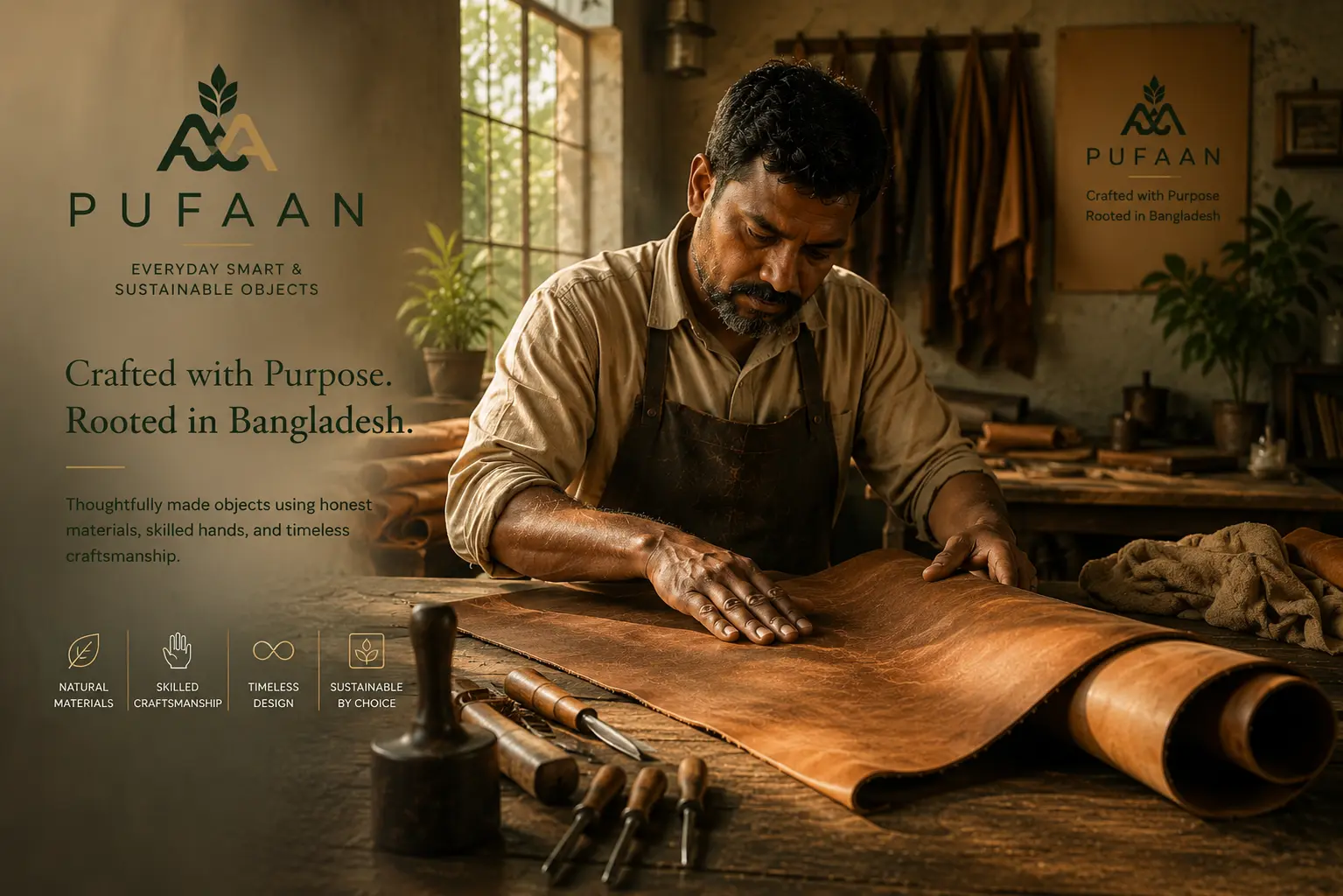
Bangladesh has long held leather craft skill. What buyers notice now is the combination of that skill with programme discipline—grading, thickness control and export logistics that fit modern goods factories.
Craft with industrial scale
Artisan knowledge matters when fibre character and hand-feel have to land consistently across lots. Scale matters when a brand needs recurring containers, not samples that never repeat.
Export-ready process discipline
Export programmes that succeed document specifications, share lot photography honestly and communicate defect criteria early. That process culture turns craft into supply reliability.
A leather hub earns trust twice: once in the hide, again in the paperwork.
Quality signals buyers look for
Buyers look for stable thickness ranges, predictable selection mixes and partners who can speak both craft and commercial language. Visit windows, third-party checks and repeat-order history still matter.
Working with Bangladesh partners
Start with clear end-use: footwear, bags, small leather goods. Share target thickness and finishing plan. Ask for representative, not only best-face, samples.
Where Pufaan fits
Pufaan works from Bangladesh soft goods competence into quieter consumer objects and B2B crust programmes. Explore Premium Leather Crust or ask via Contact.